This page contains promotions (affiliate links) (Editorial & ad policy)
Shuzenji itinerary: 5 two-day plans around Shuzenji and Izu-Nagaoka
Approximate, at the rate on 2026-10-02. You pay in yen.
Shuzenji Onsen strings its sights along the Katsura river – the Tokko-no-yu spring, the bamboo path – and most people want to see more than the town: the Amagi waterfalls, or Izu-Nagaoka down the valley. The catch is that the onsen town sits up a side valley a bus ride from the station, while Yugashima in the Amagi hills and Izu-Nagaoka with its World Heritage furnaces each need their own bus or train, so where you sleep decides what you can reach. So we put together five itineraries for different kinds of trip, each with two inns right on the route.
At a glance
- Five ways to spend two days around Shuzenji Onsen: A for a first visit (Tokko-no-yu, the bamboo path, Shuzenji Temple), B for the Amagi waterfalls and a mountain inn, C for the Nirayama World Heritage furnaces, D for couples, E with children
- Ten inns from our scored fives: two in Shuzenji Onsen, two in Yugashima in the Amagi hills and six in Izu-Nagaoka, each within 1.5 km in a straight line of where day 1 ends or day 2 begins
- The Tokai bus from Shuzenji Station to the onsen town is ¥300 and the Hakoyu public bath ¥700. The priciest ticket is Izunokuni Panorama Park at ¥4,000 including the ropeway (Plan D)
Pick your two days: five different routes
Each comes with two inns right on the route
 Plan A
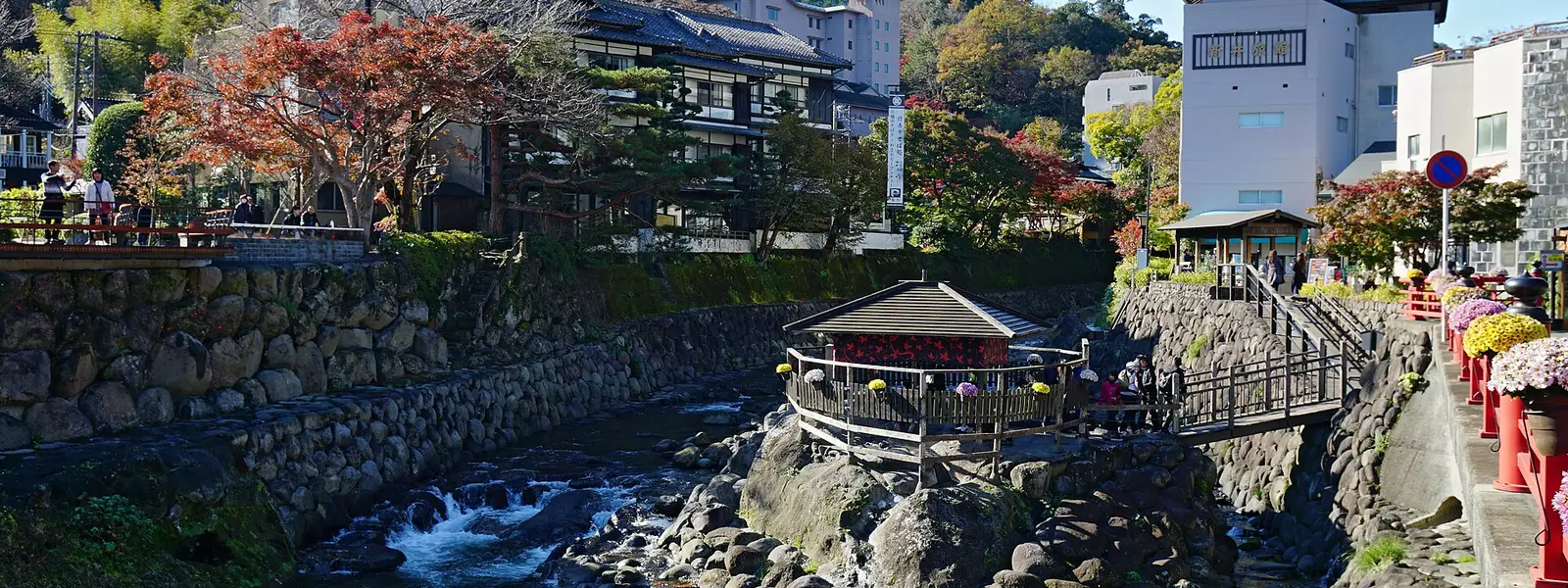
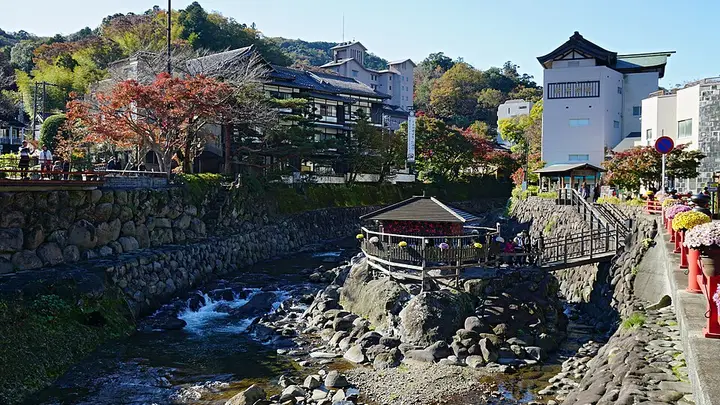
the classic – Tokko-no-yu, the bamboo path and Shuzenji Temple, then Nijinosato
Good forFirst-time visitors travelling by train and bus
Besides the innabout ¥5,220–6,220 + bus fares + travel there and back
Shuzenji Sta. → (bus) Shuzenji Onsen → Shuzenji Temple → Tokko-no-yu → bamboo path → Shigetsuden → (night) → Hakoyu → (bus) Nijinosato → (bus) Shuzenji Sta.
 Plan B
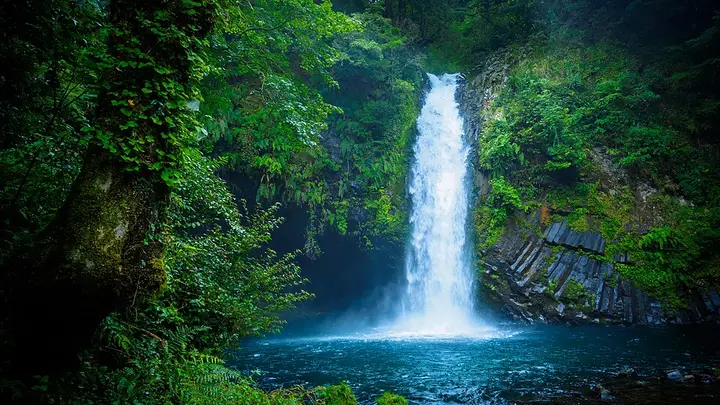
up to Amagi by bus – Amagigoe roadside station, Joren Falls and a night in Yugashima
Good forCouples and adults who prefer mountains and waterfalls to a busy town
Besides the innabout ¥4,600–5,600 + bus fares + travel there and back
Shuzenji Sta. → (bus) Amagigoe roadside station → (bus) Yugashima (night) → (bus) Joren Falls → (bus) Shuzenji Sta.
 Plan C
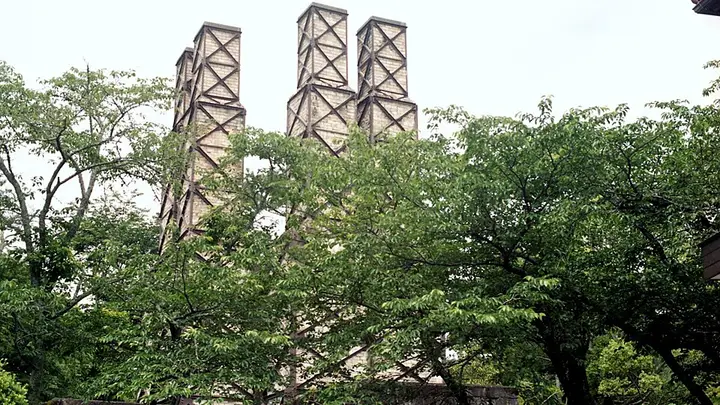
history around Izu-Nagaoka – the Nirayama furnaces (World Heritage), the Egawa residence and Unkei’s statues at Ganjojuin
Good forHistory and architecture lovers, and anyone travelling by train and on foot
Besides the innabout ¥5,050–6,050 + one train ride + travel there and back
Izu-Nagaoka Sta. → (walk) Nirayama furnaces → Egawa residence → Nirayama Sta. → (train) Izu-Nagaoka (night) → Ganjojuin → Izu-Nagaoka Sta.
 Plan D
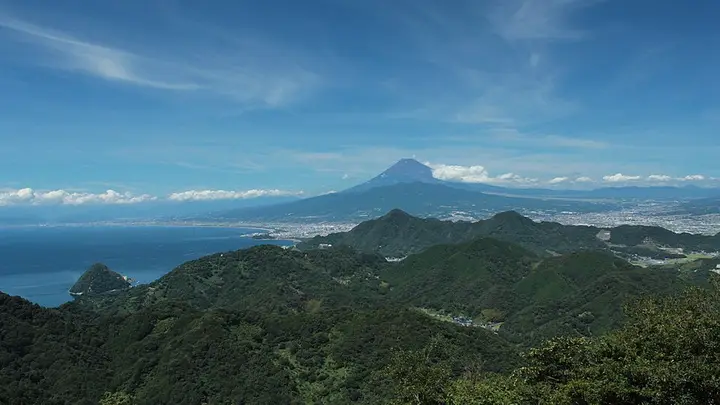
for couples – Mishima Taisha, a slow evening at the inn, and Mt Fuji from the morning ropeway
Good forCouples, anniversaries, and anyone who wants long hours at the inn
Besides the innabout ¥7,000–8,000 + bus fares + travel there and back
Mishima Sta. → Mishima Taisha → Mishima-Tamachi Sta. → (train) Izu-Nagaoka (night) → Izunokuni Panorama Park → Izu-Nagaoka Sta.
 Plan E
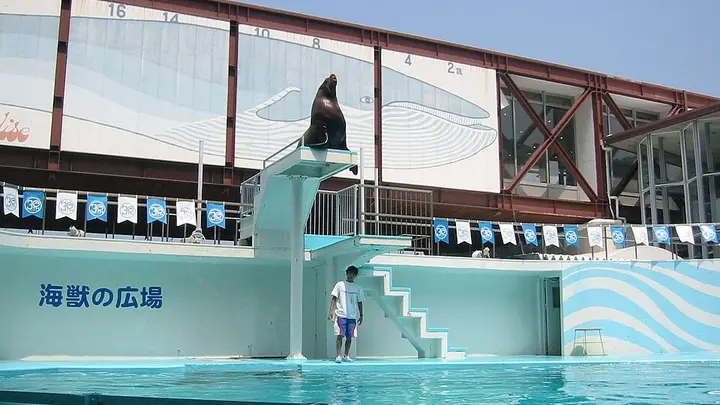
with kids – dolphins at Izu-Mito Sea Paradise and the animals of Rakujuen in Mishima
Good forFamilies with children from toddlers to elementary age
Besides the innabout ¥5,900–6,900 + bus fares + travel there and back
Izu-Nagaoka Sta. → (bus) Izu-Mito Sea Paradise → (bus) Nagaoka Onsen (night) → Izu-Nagaoka Sta. → (train) Mishima Sta. → Rakujuen → Mishima Sta.
Photos:663highland(CC BY-SA 4.0) / aotaro(CC BY 2.0) / shikabane taro(CC BY 3.0) / Batholith(Public domain) / Tohomar(CC BY-SA 3.0)・Wikimedia Commons
Getting there: From Tokyo Station the limited express Odoriko reaches Shuzenji in about 2 hr 6 min. By Tokaido Shinkansen to Mishima, about 42 min on a Hikari or 50 on a Kodama; from Mishima the Izuhakone Railway takes about 33 min to Shuzenji and about 20 to Izu-Nagaoka. From Shuzenji Station the Tokai bus reaches Shuzenji Onsen in about 7 min. By car from Tokyo IC to Shuzenji IC, about 1 hr 45 min (Izu City Tourism Association, Izunokuni City).
The plans in detail
Plan Athe classic – Tokko-no-yu, the bamboo path and Shuzenji Temple, then Nijinosato
Good for: First-time visitors travelling by train and bus
Day 1
- 111:00 Arrive at Shuzenji Station and take the Tokai bus bound for Shuzenji Onsen ↗
↓ Getting there: about 8 min by bus to the terminus, Shuzenji Onsen, ¥300 - 211:30 Visit Shuzenji Temple in the middle of the hot-spring town, said to have been founded in 807. Its treasure hall is open 8:30–16:00 (until 16:30 from April to September) ↗
↓ Getting there: down the steps to Tokko-no-yu on the Katsura river, about 150 m in a straight line - 312:00 See Tokko-no-yu, the symbol of Shuzenji Onsen, set in the middle of the Katsura river. You can only look: neither bathing nor foot-bathing is allowed. For a foot bath, use the free ones nearby, Kawarayu (up to 6 people) or Suginoyu (up to 10). Then lunch in town ↗
↓ Getting there: along the river to the bamboo path, about 170 m in a straight line - 413:30 Walk the bamboo path along the Katsura river. It is lit up after dark ↗
↓ Getting there: to Shigetsuden, about 190 m in a straight line - 514:15 See Shigetsuden, said to be the oldest wooden building in Izu; eight of the sutra scrolls once kept here survive ↗
↓ Getting there: to the inn; both are within 300 m of Tokko-no-yu in a straight line - Inn15:00 Check in at your inn in the hot-spring town. After dinner, you can walk back to the lit-up bamboo path
Day 2
- 610:00 Check out and go to the Hakoyu public bath: 10:00–21:00 (last entry 20:30), ¥700 for adults and ¥400 for elementary pupils, ¥350 for guests of participating inns. On the 2nd Thursday of each month (except August) it opens at 15:00 ↗
↓ Getting there: about 7 min by Tokai bus from the Shuzenji Onsen stop to Shuzenji Nijinosato - 711:30 Spend the late morning at Shuzenji Nijinosato, with an English village, a Canadian village and a craft village; the Romney railway links Romney Station and Nelson Station in the Canadian village in about 10 minutes. Open 10:00–16:00 (until 17:00 from March to September; last entry one hour before closing); check closing days on the official calendar. Lunch in the park ↗
↓ Getting there: about 15 min by Tokai bus to Shuzenji Station - 814:30 Head home from Shuzenji Station ↗
Budget besides the inn (per adult): about ¥5,220–6,220 + bus fares + travel there and back
bus ¥300 + Hakoyu ¥700 + Nijinosato ¥1,220 + two lunches ¥3,000–4,000 (plus the buses Shuzenji Onsen–Nijinosato and Nijinosato–Shuzenji Station, and the treasure-hall fee if you go in)
Tickets and transport: The Tokai bus from Shuzenji Station to Shuzenji Onsen is ¥300. The Hakoyu public bath is ¥700 for adults; Shuzenji Nijinosato is ¥1,220 for adults and ¥610 from age 4 to the end of elementary school (prices change on 1 April 2027). Bus fares from Shuzenji Onsen to Nijinosato and from Nijinosato to Shuzenji Station are extra
Where to stay: two picks
Arai Ryokan 80/100 in our scoring
About 110 m in a straight line from Tokko-no-yu and about 170 m from Hakoyu, 2 minutes on foot from the bamboo path, so the evening light-up is a short walk. A registered cultural property; dinner is served in your room, but not if you arrive after 19:00. Check-out 11:00
Shuzenji Onsen SORA Tougetsuso Kinryu 72/100 in our scoring
About 180 m in a straight line from Tokko-no-yu and about 250 m from Hakoyu, so on day 2 you can bathe at Hakoyu and catch the Nijinosato bus at the Shuzenji Onsen stop. Private open-air bath with a view; dinner and breakfast in your room or a private dining room. No pick-up; call if you will arrive after 18:00
More places to stay for this plan
Plan Bup to Amagi by bus – Amagigoe roadside station, Joren Falls and a night in Yugashima
Good for: Couples and adults who prefer mountains and waterfalls to a busy town
Day 1
- 110:00 At Shuzenji Station, take the Tokai bus bound for Kawazu Station via Yugashima and Amagi Pass ↗
↓ Getting there: about 40 min by bus to the Showa-no-Mori Kaikan stop, ¥1,300 - 210:45 Arrive at the Amagigoe roadside station (Showa-no-Mori Kaikan). Inside, the Izu Museum of Modern Literature (¥300 adults, ¥100 children) shows material on writers linked to Izu. Have lunch here ↗
↓ Getting there: north-bound bus to the Yugashima stop - Inn15:00 Check in at your inn in Yugashima (for Asebino, call the inn when you reach the Yugashima bus stop)
Day 2
- Inn10:00 Check out and take a south-bound bus from the Yugashima stop to Joren Falls ↗
↓ Getting there: about 8 min by bus - 310:30 See Joren Falls, 25 m high and 7 m wide, free to visit. From the car park it is about 5 minutes down 200 steps, with wasabi terraces along the stream. The shop is open 8:30–16:30 and closed on Tuesdays (Wednesday if Tuesday is a holiday) ↗
↓ Getting there: about 35 min by north-bound bus to Shuzenji Station - 412:30 Back at Shuzenji Station, have lunch and head home ↗
Budget besides the inn (per adult): about ¥4,600–5,600 + bus fares + travel there and back
bus ¥1,300 + literature museum ¥300 + two lunches ¥3,000–4,000 (plus the rides roadside station–Yugashima, Yugashima–falls and falls–Shuzenji Station)
Tickets and transport: Tokai bus: Shuzenji Station to Showa-no-Mori Kaikan (Amagigoe roadside station) ¥1,300; the fare from Joren Falls back to Shuzenji Station is extra. The Izu Museum of Modern Literature is ¥300 for adults and ¥100 for children; Joren Falls is free. The short bus rides from the roadside station to Yugashima and from Yugashima to the falls are extra
Where to stay: two picks
Tanigawa no Yu Asebino 84/100 in our scoring
About 720 m in a straight line from the Yugashima bus stop and about 1.8 km from Joren Falls, day 2’s first stop. All 18 rooms have a private open-air bath fed by the inn’s own spring. Dinner and breakfast in a private room or the dining room. Check-in 14:30, check-out 10:30. No children under elementary-school age
Amagi-Yugashima Onsen Shirakabe 82/100 in our scoring
About 510 m in a straight line from the Yugashima bus stop and about 2.1 km from Joren Falls; about 30 minutes by bus from Shuzenji Station to Yugashima. A converted old farmhouse with free-flowing spring water and rooms with an open-air bath on a terrace. Meals in the dining room. Library and rental bicycles
More places to stay for this plan
Plan Chistory around Izu-Nagaoka – the Nirayama furnaces (World Heritage), the Egawa residence and Unkei’s statues at Ganjojuin
Good for: History and architecture lovers, and anyone travelling by train and on foot
Day 1
- 110:00 Arrive at Izu-Nagaoka Station (about 20 minutes from Mishima on the Izuhakone Railway) and walk the 1.8 km to the Nirayama furnaces ↗
↓ Getting there: about 30 min on foot - 210:30 See the Nirayama Reverberatory Furnaces, a World Heritage site: open 9:00–16:30 (until 17:00 from March to September), closed on the 3rd Wednesday (the next day if it is a holiday). Free guides are available; booking ahead is recommended ↗
↓ Getting there: lunch, then to the Egawa residence, about 1.7 km in a straight line - 313:00 Visit the Egawa residence, an Important Cultural Property and home of the Egawa family, closely tied to the Nirayama furnaces. Open 9:00–16:30 (last entry 16:15), closed on Wednesdays ↗
↓ Getting there: about 20 min on foot to Nirayama Station - 415:00 From Nirayama Station, take the Izuhakone Railway one stop back to Izu-Nagaoka ↗
↓ Getting there: then to the inn (Ebisuya picks up at the station between 15:00 and 18:00) - Inn15:30 Check in at your inn on the Kona side of the hot-spring area
Day 2
- Inn9:45 Check out and set off for Ganjojuin
↓ Getting there: by taxi or on foot - 510:15 Visit Ganjojuin, whose main hall holds five National Treasure statues carved by Unkei. Open 10:00–16:00 (last entry 15:30), closed every Tuesday and Wednesday (open on holidays) ↗
↓ Getting there: about 15 min on foot to Izu-Nagaoka Station - 612:00 Lunch near Izu-Nagaoka Station, then head home ↗
Budget besides the inn (per adult): about ¥5,050–6,050 + one train ride + travel there and back
Nirayama furnaces ¥500 + Egawa residence ¥750 + Ganjojuin ¥800 + two lunches ¥3,000–4,000 (plus the train from Nirayama to Izu-Nagaoka)
Tickets and transport: Nirayama furnaces ¥500 (¥50 for pupils), Egawa residence ¥750 (¥300 for pupils), Ganjojuin ¥800 (¥200 for elementary pupils). Mind the closing days: the Egawa residence closes every Wednesday, Ganjojuin every Tuesday and Wednesday, the furnaces on the 3rd Wednesday. Starting Thursday to Sunday, all three are open
Where to stay: two picks
Ebisuya 78/100 in our scoring
About 1.1 km in a straight line from Izu-Nagaoka Station and about 920 m from Ganjojuin, day 2’s first stop. Station pick-up from 15:00 to 18:00. Fifteen rooms; dinner and breakfast in your room or a private room. Rental bicycles. Arrive by 19:00 or dinner may be cancelled
Hotel Sunvalley Fujimi 70/100 in our scoring
About 790 m in a straight line from Izu-Nagaoka Station (10–15 minutes on foot) and about 1.3 km from Ganjojuin; of the inns here it is the closest to the Nirayama side. Its own pH 9 spring, which you can also drink. Curfew midnight
More places to stay for this plan
Plan Dfor couples – Mishima Taisha, a slow evening at the inn, and Mt Fuji from the morning ropeway
Good for: Couples, anniversaries, and anyone who wants long hours at the inn
Day 1
- 111:00 Arrive at Mishima Station by Shinkansen and walk to Mishima Taisha ↗
↓ Getting there: about 15 min on foot - 211:30 Visit Mishima Taisha shrine and have lunch near its gate ↗
↓ Getting there: about 7 min on foot to Mishima-Tamachi Station, then the Izuhakone Railway to Izu-Nagaoka - 314:30 Arrive at Izu-Nagaoka Station and go to your inn in Nagaoka Onsen by bus or taxi ↗
- Inn15:00 Check in, then spend the rest of the day at the inn with its private baths and garden
Day 2
- Inn10:00 Check out and head for Izunokuni Panorama Park
↓ Getting there: by bus or taxi - 410:30 Ride the ropeway to Ao Terrace on the summit of Mt Katsuragi (452 m). On a clear day you see Mt Fuji and Suruga Bay ↗
↓ Getting there: Izuhakone bus from the Izunokuni City Hall / Izu Panorama Park stop to Izu-Nagaoka Station - 512:30 Lunch near Izu-Nagaoka Station, then head home ↗
Budget besides the inn (per adult): about ¥7,000–8,000 + bus fares + travel there and back
Panorama Park ¥4,000 (¥3,500 for residents of Japan) + two lunches ¥3,000–4,000
Tickets and transport: Izunokuni Panorama Park, ropeway included: ¥4,000 for adults and ¥2,000 for elementary pupils at the window (residents of Japan pay ¥3,500 at the window). Hours: 9:00–17:00 from 16 October to 15 February (last ride up 16:30), 9:00–17:30 from 16 February to 15 October (last ride up 17:00). Bus fares extra
Where to stay: two picks
Izu-Nagaoka Onsen Sanyoso (Prince Hotels & Resorts) 81/100 in our scoring
About 1.2 km in a straight line from Izu-Nagaoka Station and about 1.5 km from Izunokuni Panorama Park, day 2’s stop. A registered cultural property with a 5.0 review score. Dinner and breakfast in your room or a dining room. Transfers available. With meal plans, check in by 17:00. Check-out 11:00, so the morning is unhurried
Izu-Nagaoka Onsen Yumeguri no Yado Yoshiharu 82/100 in our scoring
About 980 m in a straight line from Izunokuni Panorama Park, 10 minutes by bus from Izu-Nagaoka Station. Five private open-air baths and ten baths in all, so the two of you can bath-hop. A traditional inn with a Japanese garden; meals in the dining room. Built on a slope, with many stairs inside
More places to stay for this plan
Plan Ewith kids – dolphins at Izu-Mito Sea Paradise and the animals of Rakujuen in Mishima
Good for: Families with children from toddlers to elementary age
Day 1
- 110:00 At Izu-Nagaoka Station, take the Izuhakone bus bound for Izu-Mito Sea Paradise ↗
↓ Getting there: about 25 min by bus - 210:30 Spend the day at Izu-Mito Sea Paradise, an aquarium on the sea at Uchiura, with dolphin shows. Lunch inside. It closes a few days in winter for maintenance, so check the official site ↗
↓ Getting there: bus back to the Izunokuni City Hall / Izu Panorama Park stop - Inn15:30 Check in at your inn on the south side of Nagaoka Onsen ↗
Day 2
- Inn10:00 Check out and go to Izu-Nagaoka Station; about 20 minutes to Mishima on the Izuhakone Railway ↗
↓ Getting there: 3 min on foot from Mishima Station to the Rakujuen station-side gate - 311:00 Spend time at Rakujuen: red pandas and capybaras in the animal area, small rides and a play area for young children, and Kohama Pond, where water from Mt Fuji wells up between lava rocks. Open 9:00–16:30 (until 17:00 from April to October; last entry 30 minutes before), closed on Mondays (the next weekday if Monday is a holiday) ↗
↓ Getting there: lunch, then back to Mishima Station - 413:30 Head home from Mishima Station ↗
Budget besides the inn (per adult): about ¥5,900–6,900 + bus fares + travel there and back
Sea Paradise ¥2,600 + Rakujuen ¥300 + two lunches ¥3,000–4,000 (per adult; children aged 4 to 12 pay ¥1,300 at Sea Paradise and nothing at Rakujuen)
Tickets and transport: Izu-Mito Sea Paradise: ¥2,600 from junior-high age, ¥1,300 from age 4 to the end of elementary school. Rakujuen: ¥300 from age 15, free for junior-high pupils and younger (rides cost extra, cash only); closed on Mondays. Bus fares extra
Where to stay: two picks
Izu-Nagaoka Onsen Kameya Eian 88/100 in our scoring
About 250 m in a straight line from Izunokuni Panorama Park, 1–2 minutes from its bus stop, so it is a short walk from the bus back from Sea Paradise. Private baths with two kinds of spring water are free, so the whole family can bathe together. Meals in a dining hall, not in the room. Bathing tax ¥150 extra
Izu-Nagaoka Onsen Fukuritei Ogawaya 93/100 in our scoring
About 600 m in a straight line from Izunokuni Panorama Park, 1–2 minutes from its bus stop, with free pick-up from Izu-Nagaoka Station (call ahead). Twelve rooms, and every kaiseki dinner is served in your room, so meals with children are relaxed. Pets allowed. No cards on site (cash, PayPay and similar)
More places to stay for this plan
All our Shuzenji Onsen fives
- Shuzenji and Izu-Nagaoka ryokan with a private bath: 5 picks
- Shuzenji and Izu-Nagaoka: 5 ryokan with dinner in your room
- Shuzenji & Izu-Nagaoka solo: 5 onsen inns that take one guest
About this page
Travel times, prices and opening hours come from the official pages of each sight, the local tourist association and the transport operators (checked 2026-11-21). The inns are taken from our own scored fives (reviews, price and facilities across five criteria), two per plan, chosen because they sit on that plan’s route. Times and prices change, so check the official pages before you go.
Questions visitors ask
Can you see Shuzenji Onsen in two days?
Yes. Shuzenji Temple, Tokko-no-yu, the bamboo path and Shigetsuden are all inside the onsen town and can be walked in half a day (Plan A), leaving day 2 for Nijinosato or the Hakoyu bath. To add Joren Falls in Amagi or Izu-Nagaoka, Plans B to E move your night closer to them.
Can you get around without a car?
All five plans work by train and bus. Shuzenji Onsen is about 7 minutes by Tokai bus from Shuzenji Station; Yugashima and the Amagigoe roadside station are on the Kawazu-bound bus; Izu-Mito Sea Paradise is about 25 minutes by Izuhakone bus from Izu-Nagaoka Station; the Nirayama furnaces are about 30 minutes on foot from Izu-Nagaoka Station.
Should you stay in Shuzenji or Izu-Nagaoka?
If you want to stroll the onsen town at night, stay in Shuzenji Onsen (Plan A). For the Nirayama furnaces, Panorama Park or Izu-Mito Sea Paradise, Izu-Nagaoka (Plans C to E) is closer. Both are on the Izuhakone Railway: about 20 minutes from Mishima to Izu-Nagaoka, 33 to Shuzenji.
Is it good for children?
Shuzenji Nijinosato (¥610 from age 4 through elementary school) has the Romney railway, and Izu-Mito Sea Paradise (¥1,300 for ages 4 to 12) has dolphin shows; Rakujuen in Mishima is free for junior-high pupils and younger (Plan E). In Yugashima, Asebino does not take children under elementary age, so with small children choose Shirakabe.
What can you do on a rainy day?
Under a roof you can see Shuzenji Temple’s treasure hall (8:30–16:00), the Izu Museum of Modern Literature at the Amagigoe roadside station, the inside of the Egawa residence and the statues in Ganjojuin’s main hall. Plan C works best in rain; keep the outdoor furnaces short. Save Panorama Park and its Fuji view for a clear day.
Sources
- https://kanko.city.izu.shizuoka.jp/access/
- https://www.shuzenji-kankou.com/access2.html
- https://www.shuzenji-kankou.com/enjoy.html
- https://www.shuzenji-kankou.com/spa.html
- https://transfer-cloud.navitime.biz/tokaibus/courses?busstop=00470835
- https://www.nijinosato.com/guide/
- https://kanko.city.izu.shizuoka.jp/sightseeing/jourenfalls/
- https://jourenfalls.com/
- https://kanko.city.izu.shizuoka.jp/news/post-5926/
- https://www.city.izunokuni.shizuoka.jp/kankou/kanko/access.html
- https://www.city.izunokuni.shizuoka.jp/bunka_bunkazai/manabi/bunkazai/hansyaro/documents/hansyarokengaku.html
- https://www.city.izunokuni.shizuoka.jp/hansyaro/sekaiisan/hansyarotohokaera30hun.html
- https://egawatei.com/information/
- https://egawatei.com/access/
- https://ganjoujuin.jp/admission.html
- https://www.panoramapark.co.jp/hours_fare/
- https://www.panoramapark.co.jp/access/
- https://www.mitosea.com/price/
- https://www.mitosea.com/infomation/
- https://www.city.mishima.shizuoka.jp/site/rakujyuen/5429.html
- https://www.city.mishima.shizuoka.jp/site/rakujyuen/5437.html
- https://www.mishimataisha.or.jp/access